Posidonia: The Mediterranean's Underwater Forest
What is Posidonia oceanica?
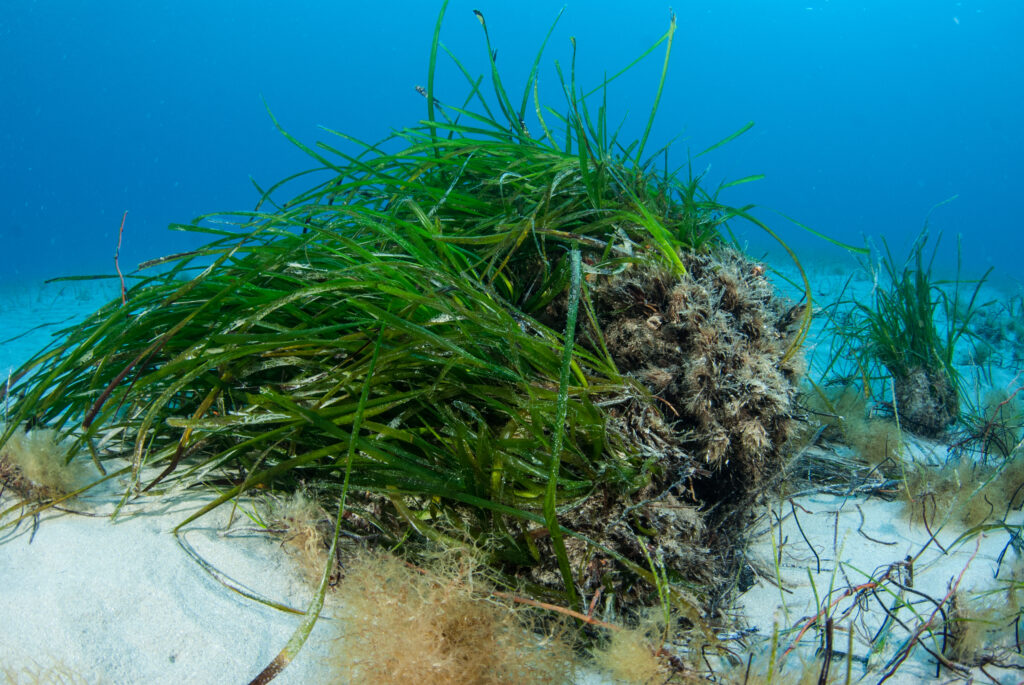
Posidonia oceanica is a higher marine plant— not a type of algae—that features complex structures typical of terrestrial plants, such as roots, stems, leaves, flowers, and fruits, commonly known as“sea olives.” It grows in extensive underwater meadows and is a species endemic to the Mediterranean Sea.
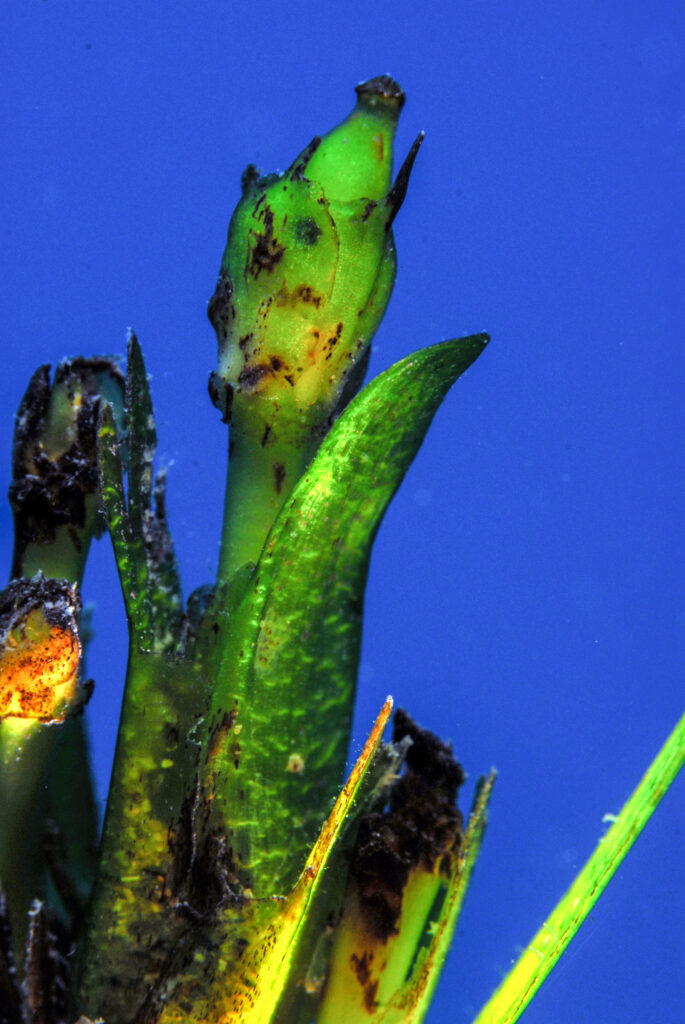
Its growth depends on the availability of sunlight, which is why it is found in clear, shallow waters. The presence of Posidonia debris on beaches is a reliable indicator of the good ecological status of the marine environment, as it reflects the quality and health of the ecosystem.
Why is it so important?
Posidonia oceanica plays a vital role in the balance of the Mediterranean marine ecosystem. It is a major producer of oxygen and helps maintain water quality, promoting clarity and cleanliness.
In addition, it acts as a natural barrier against storms, protecting coastlines from erosion. Its ability to capture and store carbon dioxide (CO₂) makes it a key element in mitigating climate change.
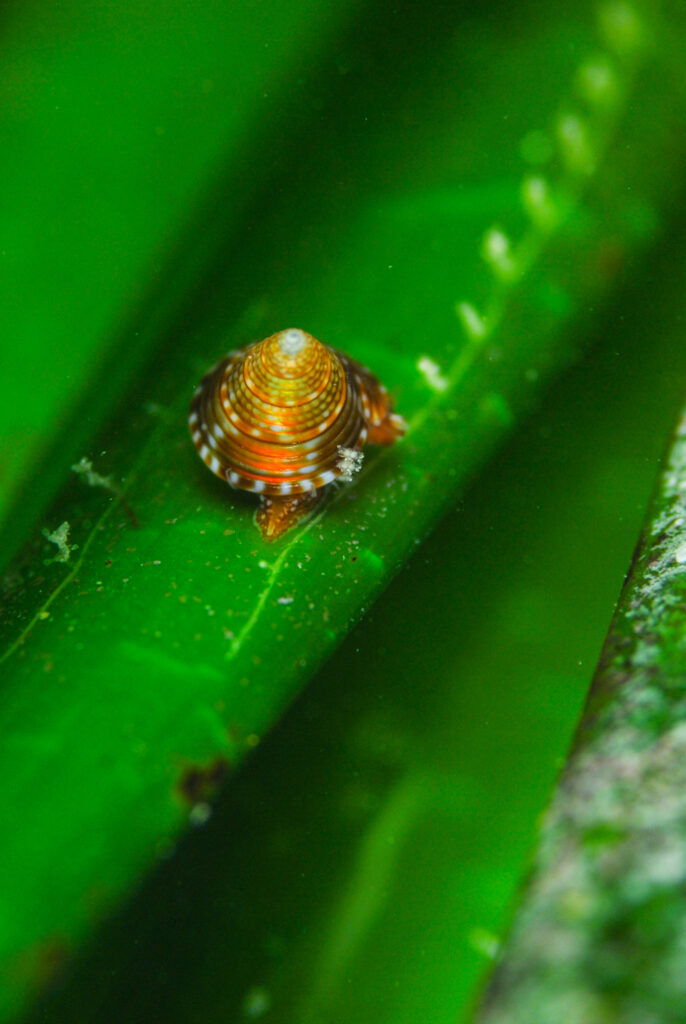
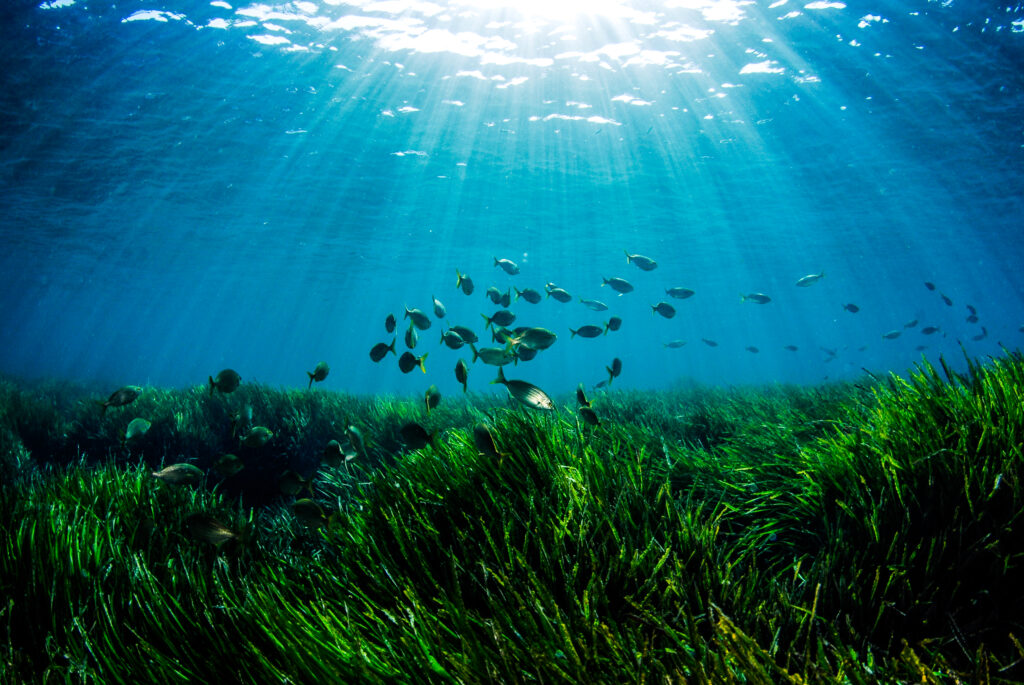
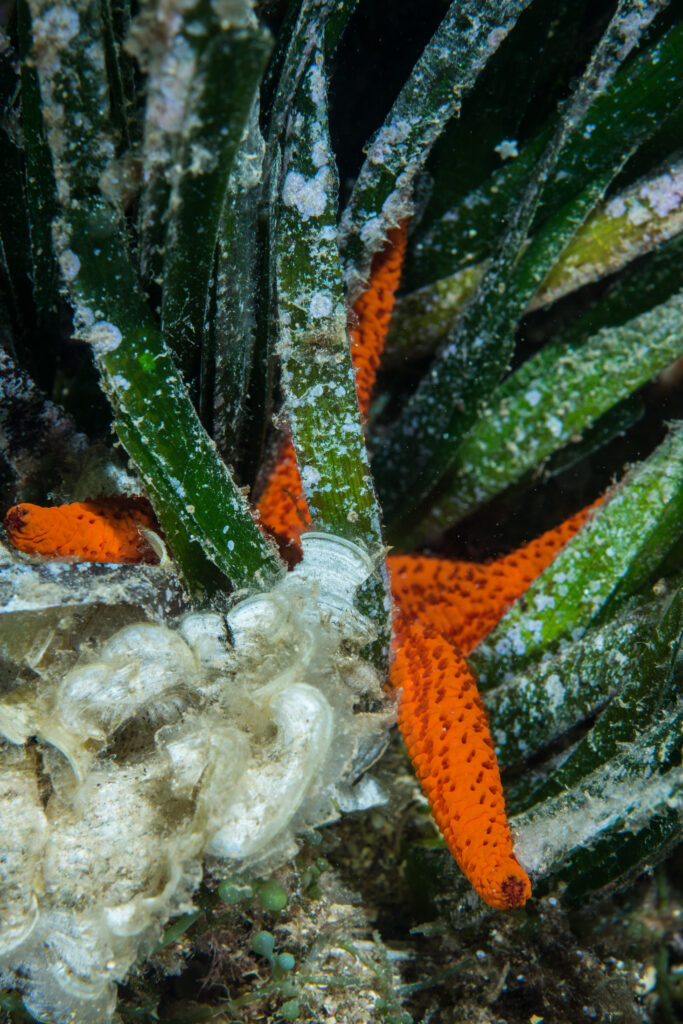
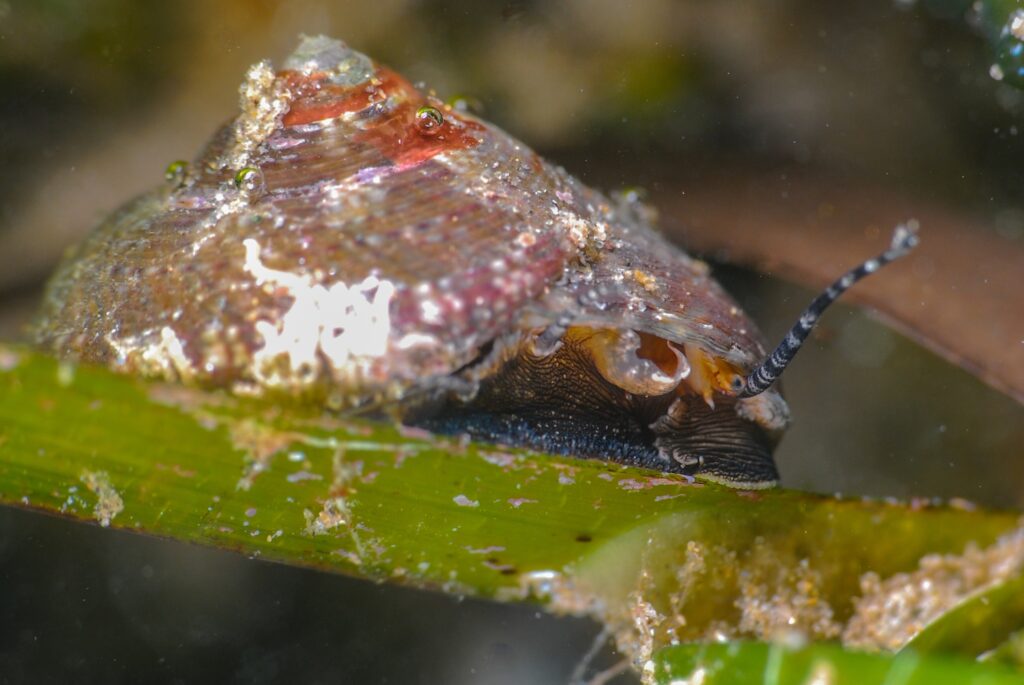
Posidonia seagrass beds are an essential habitat for biodiversity, supporting hundreds of plant species and thousands of animal species. They also promote the development of fishery resources, serving as a key habitat for numerous species of economic importance.
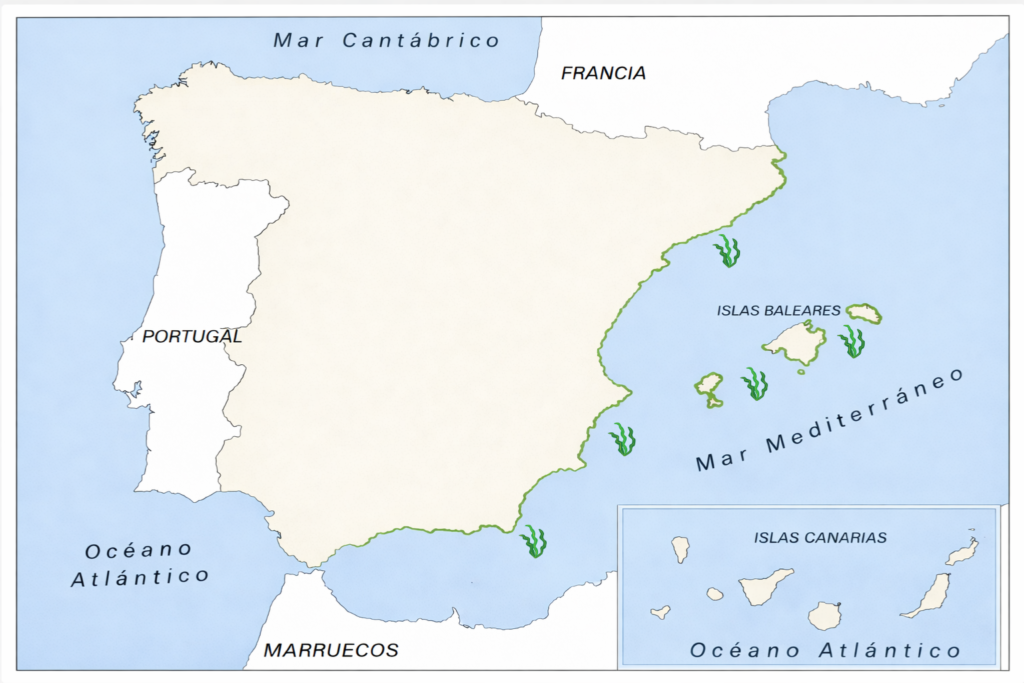
Where can you find Posidonia oceanica?
Did you know that a marine plant can protect our beaches?
Posidonia oceanica plays a key role in protecting and stabilizing the coastline. Its roots and rhizomes anchor the sediment on the seafloor, reducing erosion by preventing currents and waves from carrying sand out to sea.
In addition, their leaves form dense meadows that act as a natural barrier, slowing the speed of the currents and dampening the energy of the waves before they reach the shore.
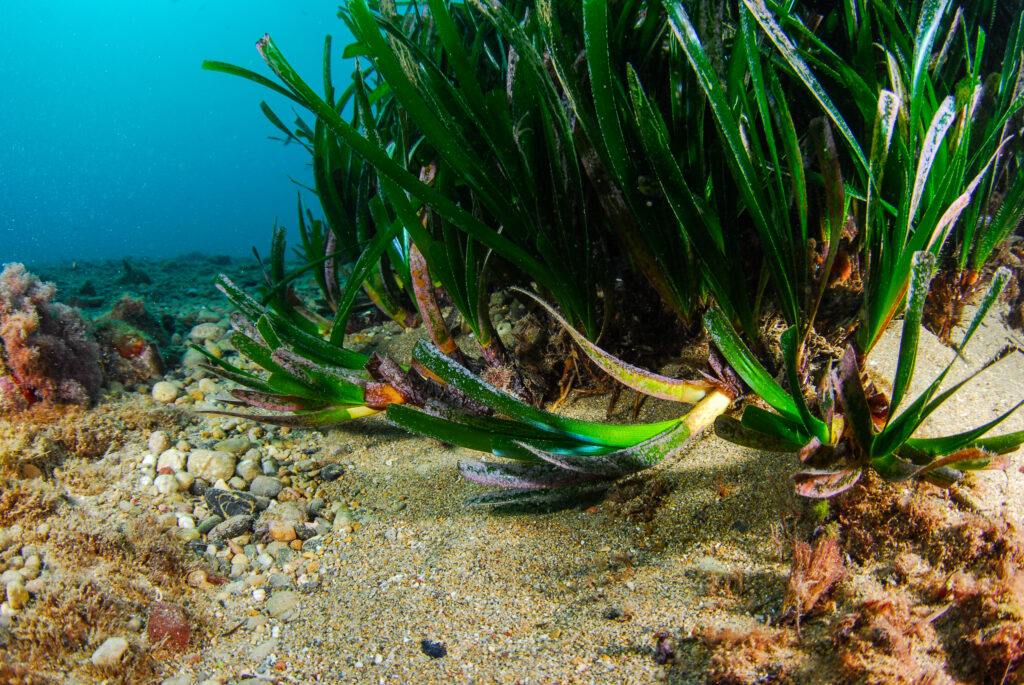
When these leaves fall and accumulate along the shore, they form natural deposits that help protect the beaches from storms, especially during the winter months.
Fun Facts About Posidonia Oceanica
Posidonia oceanica has a number of characteristics that reflect its ecological importance and uniqueness within the Mediterranean marine ecosystem. Among these, its ability to improve water quality stands out, as it contributes to water purification and promotes conditions of high transparency.
In addition, this plant sheds its leaves seasonally, mainly in the fall. The fallen leaves accumulate along the shoreline, forming drift lines—natural structures that serve important ecological functions.
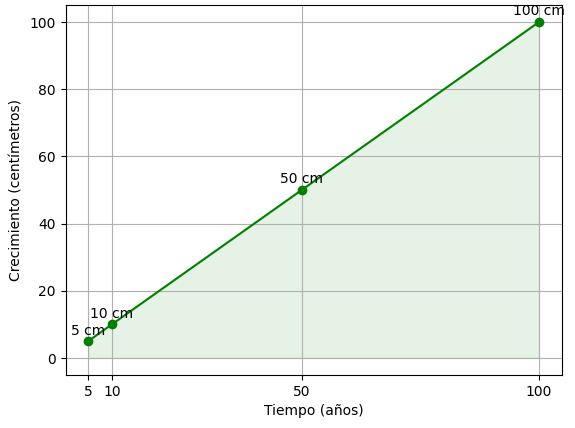
It is also worth noting their slow growth, estimated at approximately one meter every hundred years. This extremely slow rate highlights the fragility of Posidonia seagrass beds and the need to ensure their long-term protection and conservation.
Growth of Posidonia oceanica
Protected Species and Penalties
Posidonia oceanica is a protected species of high ecological value, and its conservation is a priority in the Mediterranean Sea. In recent decades, it is estimated that approximately 34% of its seagrass beds have disappeared, placing the remaining areas at significant risk.
From a regulatory standpoint, it is classified as a protected wild species (Royal Decree 139/1995) and recognized as a habitat of Community interest under the Habitats Directive (92/43/EEC). In this context, current legislation establishes specific measures for its protection. Among these, Decree 530/2018 generally prohibits boats from anchoring on Posidonia oceanica seagrass beds.
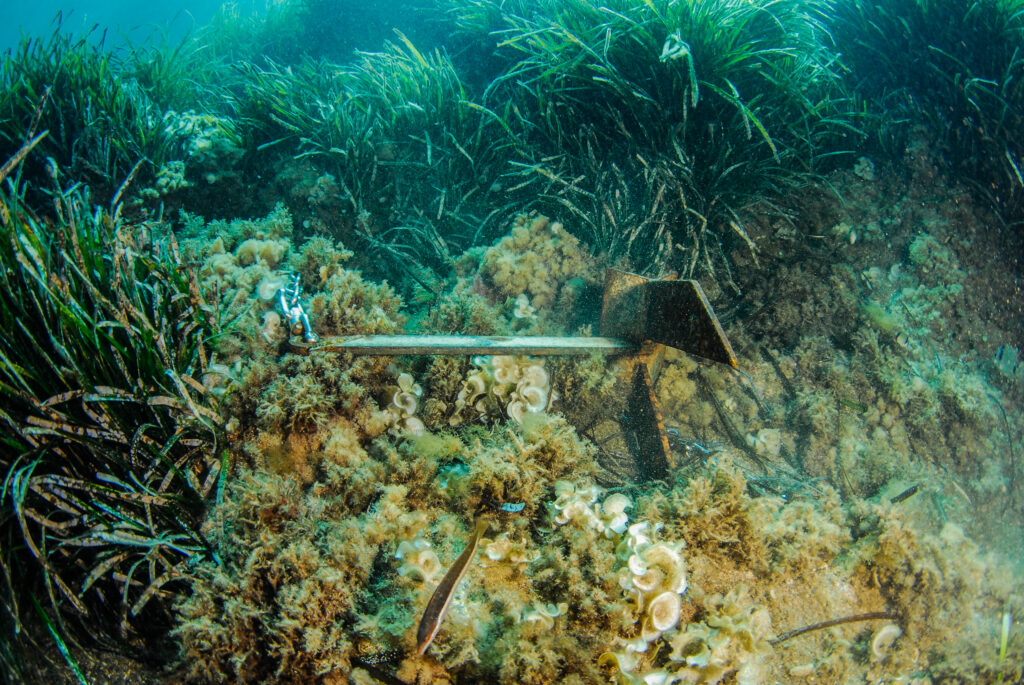
Failure to comply with these regulations may result in penalties under Law 42/2007 on Natural Heritage and Biodiversity, with fines ranging from 3,001 euros to much higher amounts depending on the severity of the damage caused.